 Contact
 Help









Russia Gold Reserves: How Much Gold Does Russia Have?


Russia held 2,264 tonnes of gold at the start of October 2026, according to the Bank of Russia. That makes it one of the largest official gold reserves in the world. At the end of 2025 Russia ranked fifth on the list of gold reserves by country, with 2,326.5 tonnes, but sales during 2026 have since left it just behind China. All of Russia’s gold is held inside the country, in the Bank of Russia’s vaults in Moscow and St Petersburg.
Russia built most of its reserves between 2007 and 2020, buying gold steadily from its own mines. By the time of Russia’s invasion of Ukraine in February 2022, it held about 2,300 tonnes. When Western governments froze around $300 billion of Russia’s foreign currency reserves held abroad, the gold was out of their reach because it was stored at home.
Since the start of 2026, the gold has been put to use. The Bank of Russia has reduced its holdings every month in 2026, by more than 60 tonnes so far. The sales match those made by the Finance Ministry from the National Wealth Fund to help cover Russia’s budget deficit.
Russia’s experience had a wider effect. Its currency reserves abroad were frozen, while its gold at home could not be touched, and this is one of the reasons central banks around the world, China among them, have bought gold at a record pace since 2022. This page explains how much gold Russia has, where Russian gold reserves are stored, how sanctions affected them, why Russia is selling gold, and what it has meant for other central banks.

Highlights
- Russia held about 2,264 tonnes of gold on 1 October 2026, according to the Bank of Russia, down from 2,326.5 tonnes at the end of 2025. It was the fifth-largest official reserve in the world at end-2025.
- All of Russia’s official gold is stored inside Russia, mainly in the Bank of Russia’s vaults in Moscow and St Petersburg.
- After Russia’s invasion of Ukraine in 2022, around $300 billion of its foreign currency reserves held abroad was frozen, but its gold could not be, because it was held at home.
- The Bank of Russia has sold gold every month in 2026 to match Finance Ministry sales from the National Wealth Fund used to cover the budget deficit. It is the largest sustained fall in Russia’s gold reserves since 1998.
- The freezing of Russia’s reserves is one reason central banks, including China’s, have bought an average of about 1,000 tonnes of gold a year since 2022.
How Much Gold Does Russia Have?
Russia had 72.8 million troy ounces of gold, about 2,264 tonnes, on 1 October 2026, according to the Bank of Russia. Its gold was worth about $302 billion at the end of September. The total has been falling since the start of 2026 as the bank sells gold each month.
| Russia’s gold reserves | Figure |
|---|---|
| Total gold holdings (1 Oct 2026) | About 2,264 tonnes |
| In troy ounces | 72.8 million oz |
| Holdings at end-2025 (WGC) | 2,326.5 tonnes |
| Approximate value (end-Sept 2026) | About $302 billion |
| Share of total reserves | About 41% (Bank of Russia, end-Sept 2026) |
| World ranking | 5th at end-2025; now 6th |
| Held in Russia | 100% |
| Gold per resident | About 16 grams |
| Recent trend | Falling every month in 2026 |
Russia’s reserve is now the smallest since the end of 2019, but it is still among the largest in the world. It is a little below China’s officially reported 2,366 tonnes and France at 2,437 tonnes. Per person, Russia’s holding is much lower than those of the large European holders, at about 16 grams compared with around 35 grams in France and 40 grams in Germany.
The Bank of Russia reports its gold each month, which is why figures for Russia’s gold reserves vary between sources and dates. The table below shows how the holding has changed during 2026:
| Date | Gold (million oz) | Gold (tonnes) |
|---|---|---|
| 1 January 2026 | 74.8 | 2,326.5 |
| 1 April 2026 | 74.1 | 2,304.8 |
| 1 May 2026 | 73.9 | 2,298.6 |
| 1 August 2026 | 73.2 | 2,276.8 |
| 1 October 2026 | 72.8 | 2,264.3 |
Source: Bank of Russia, World Gold Council. Tonnes converted from troy ounces.
That is a fall of about 2 million ounces, or 62 tonnes, in nine months. It’s the largest sustained drop in Russia’s gold reserves since the financial crisis of 1998.
Where Is Russia’s Gold Stored?
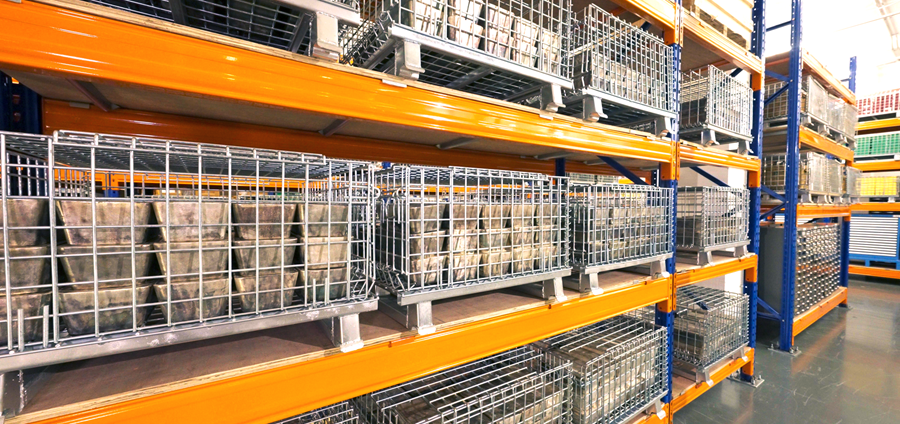
All of Russia’s official gold is stored inside Russia. The Bank of Russia keeps it in its own vaults, mainly in Moscow, with a smaller share in St Petersburg. According to past Bank of Russia statements, about two-thirds is held in Moscow and one-third in St Petersburg. Much of it is in large bars made by Russian refiners. Most of this gold was bought from Russian mines rather than on international markets, so it has always been stored at home.
That makes Russia different from many large gold holders. Germany, Italy and the Netherlands keep a large part of their gold with other central banks abroad, mainly in New York and London, so it can be traded or used as collateral quickly. Russia’s approach gives up some of that convenience. In return, no foreign custodian holds Russia’s gold or can block access to it.
Russia’s choice of storage became significant in 2022. When Western governments froze the Bank of Russia’s assets held abroad, its gold was not affected, because none of it was held in a Western vault. Since then, many other central banks have looked again at where their own gold is stored.
The Bank of Russia’s gold is separate from Gokhran, the state repository run by the Finance Ministry, which holds precious metals and gems for the government. Gokhran doesn’t publish its holdings, and its gold isn’t included in Russia’s official reserve figures.
Russia’s Gold and the 2022 Sanctions
Within days of Russia’s invasion of Ukraine in February 2022, the US, the European Union, the UK, Japan, Canada and other countries banned transactions with the Bank of Russia. Around $300 billion of Russia’s foreign currency reserves, about half of the total, was immobilised. These were mostly bonds and deposits held in Western currencies with foreign central banks, clearing houses and commercial banks. The largest share is held at Euroclear in Belgium.
Why Russia’s Gold Couldn’t Be Frozen
Russia’s gold, worth about $130 billion at the time, was not frozen. A government can only freeze assets held inside its own financial system or by institutions it can control. Russia’s foreign currency was held abroad and could be blocked. Its gold was sitting in vaults in Moscow and St Petersburg and could not.
After the sanctions, gold became one of the few large parts of Russia’s reserves it could still use. That remains the case. Gold makes up about 41% of Russia’s official reserves on paper, but a much larger share of what Russia can actually use, because the frozen assets are still counted in the total. The frozen reserves remain immobilised. Western governments have used the interest earned on them to support loans to Ukraine and have debated whether to use the assets themselves.
How Sanctions Cut Russian Gold Off from Western Markets
Sanctions could not touch the gold itself, but they made it much harder to sell in the West. In March 2022, the LBMA suspended Russian refiners from its Good Delivery list, so newly made Russian bars could no longer be traded on the London market. The US also warned that any gold transaction involving the Bank of Russia would breach sanctions. In mid-2022, the UK, the US, Canada and Japan banned imports of newly produced Russian gold, and the EU followed in July.
Russian gold has since been traded mainly through other markets, especially China, Hong Kong, the UAE and Turkey. Inside Russia, the government scrapped VAT on gold bars bought by individuals in March 2022, encouraging Russians to buy gold. As a result, a growing share of the country’s gold output has stayed at home. For more on how gold is mined, refined and traded within Russia, see our guide to the Russian gold market.
Why Is Russia Selling Its Gold?
Russia is selling gold to help pay for its budget deficit. The Bank of Russia has cut its gold holdings every month in 2026, by about 62 tonnes up to the start of October. That is about 2.7% of its reserve. The sales are linked to the Finance Ministry’s use of the National Wealth Fund, Russia’s sovereign wealth fund, to cover the gap between government spending and revenue.
How the Sales Work
The National Wealth Fund holds part of its savings in gold and Chinese yuan, kept at the Bank of Russia. When the budget runs short, the Finance Ministry sells some of these assets to raise roubles. The Bank of Russia handles the sales. It offsets them through matching operations on the domestic market, known as the mirror mechanism, so they don’t disrupt the rouble or the banking system. As a result, the gold comes out of the central bank’s official reserves.
The gold is sold inside Russia rather than on international markets, which are largely closed to it after the 2022 sanctions. Gold trading on the Moscow Exchange has risen sharply as a result, with volumes up by more than 350% year on year by mid-2026.
Why Russia Needs the Money
Russia’s federal budget has come under growing pressure. Oil and gas revenues have fallen, while military and security spending has risen to an estimated 38% of federal spending in 2026. The 2026 budget deficit is now expected to reach about 7.3 trillion roubles, twice the original target. The National Wealth Fund is one of the main sources the government has used to cover the gap. Gold prices have also been near record highs, which means each tonne sold raises more money than it would have a few years ago.
What Russia’s Sales Show
The sales are the largest sustained fall in Russia’s gold reserves since the financial crisis of 1998, when the Bank of Russia sold about 118 tonnes over three months. They have not changed Russia’s position as one of the world’s largest gold holders. Even after the sales, its gold reserve is only slightly smaller than it was before Russia’s invasion of Ukraine.
The episode also shows how gold works as a reserve asset. With much of its foreign currency frozen abroad, Russia has relied on gold held at home as one of the few reserves it can still turn into money when needed. That is the role central bankers usually describe for gold, a reserve of last resort that holds its value and that no other government can block. Russian officials made the same case years before the sanctions. In 2016 a senior Bank of Russia official described gold as an asset free of legal and political risk.
How Russia Changed Central Bank Gold Buying
The freezing of Russia’s reserves in 2022 showed central banks around the world that reserves held in another country’s currency, or in another country’s financial system, can be blocked. Gold held at home cannot. Since then, central banks have bought gold at the fastest pace in decades.
According to the World Gold Council, central banks bought an average of about 1,000 tonnes of gold a year between 2022 and 2025, roughly double the average of the previous decade. Buying hit a record of more than 1,000 tonnes in 2022 alone. In 2025 the European Central Bank reported that, by the end of 2024, gold had overtaken the euro to become the second-largest reserve asset held by central banks, after the US dollar.
Who Has Been Buying
Most of the buying has come from emerging market central banks, especially those whose relations with the US and Europe could become strained. China’s central bank has been one of the most consistent buyers. It added gold for 21 consecutive months from November 2024, taking China’s gold reserves to 2,366 tonnes by mid-2026. Analysts widely believe China holds more than it reports. Poland, India and Turkey have also been large buyers, and India has brought much of its gold home from abroad.
Central banks give several reasons for buying gold. In the World Gold Council’s annual surveys, the most common are gold’s performance in times of crisis, diversification, and its role as a long-term store of value. Concern about geopolitical risk, and about the safety of reserves held abroad, has become a more prominent part of the answers since 2022.
Where Central Banks Keep Their Gold
Russia’s experience has also renewed attention on where gold reserves are stored. Several European central banks have changed where their gold is held in recent years. In 2025–26, France replaced its last bars held in New York with bars in Paris. In 2026, the Netherlands moved gold from New York and Ottawa to London to improve its access in a crisis. In Germany and Italy, politicians and commentators have called for gold held in the US to be brought home. Each central bank gave its own reasons, but all of these moves reflect the same question Russia’s case raised: whether a central bank can reach and use its gold when it needs it.
History of Russia’s Gold Reserves
Russia’s gold reserve has risen and fallen sharply over the past 150 years, often in step with its politics.
Imperial Russia and the Gold Rouble
In 1897, Finance Minister Sergei Witte put the rouble on the gold standard. By the eve of the First World War, the State Bank of the Russian Empire held one of the largest gold reserves in the world, generally put at around 1,300 tonnes. Much of it was lost in the years that followed. Part was shipped to Britain as collateral for wartime loans. During the Russian Civil War, a large share of the reserve was captured by the anti-Bolshevik White forces and carried east across Siberia. Only part of it was ever recovered.
The Soviet Era
The Soviet Union rebuilt its gold through mining, much of it in the remote Kolyma region of the Far East, where forced labour from the Gulag camps was used. It never published its reserves, and it regularly sold gold abroad to pay for imports such as grain and machinery. By the time the Soviet Union collapsed in 1991, the reserve had run down to only a few hundred tonnes. Figures released at the time put it at around 240 tonnes.
The 1990s and the 1998 Crisis
Russia’s reserves stayed low through the 1990s. During the 1998 financial crisis, when Russia devalued the rouble and defaulted on part of its debt, the Bank of Russia sold about 118 tonnes in three months. Its holdings remained at around 400 tonnes until the mid-2000s.
Building the Reserve, 2007–2021
Rising oil revenues and the 2008 financial crisis changed the Bank of Russia’s approach. From 2007 it bought gold steadily, mainly from Russian mines through the country’s large state-linked banks, which allowed it to pay in roubles. Holdings passed 800 tonnes in early 2011, 1,200 tonnes by the end of 2014 and about 1,400 tonnes by the end of 2015.
The buying picked up after the first Western sanctions over Crimea in 2014. In 2018, the Bank of Russia sold most of its US Treasury bonds and continued adding gold, as part of a wider shift away from the US dollar. By 2020 Russia held around 2,300 tonnes, and in April that year the Bank of Russia stopped buying. Apart from a short period in 2022, its holdings changed little until the sales of 2025–26. Between 2002 and 2025, the Bank of Russia added more than 1,900 tonnes of gold.
Gokhran and the National Wealth Fund
Two other state bodies also hold gold in Russia. Gokhran, the Finance Ministry’s repository for precious metals and gems, was founded in 1920. It holds a state stockpile that is separate from the central bank’s reserves. Its holdings are not published.
The National Wealth Fund, Russia’s sovereign wealth fund, was set up in 2008 to save surplus oil and gas revenue. Since 2021 it has been allowed to hold gold, and after the 2022 sanctions it dropped dollar and euro assets in favour of yuan and gold. Its gold is held at the Bank of Russia, and it is these assets the Finance Ministry has been drawing on to cover the budget deficit.
Frequently Asked Questions
How much gold does Russia have?
Russia held about 2,264 tonnes of gold, or 72.8 million troy ounces, on 1 October 2026, according to the Bank of Russia. That is down from 2,326.5 tonnes at the end of 2025, as the bank has been selling gold every month in 2026.
Is Russia selling its gold?
Yes. The Bank of Russia has reduced its gold holdings every month in 2026, by about 62 tonnes up to October. It is the largest sustained fall in Russia’s gold reserves since the 1998 financial crisis.
Why is Russia selling gold?
Russia is selling gold to help cover its budget deficit. The Finance Ministry has been selling gold and yuan from the National Wealth Fund to raise roubles, and the Bank of Russia’s gold sales match those transactions. Lower oil and gas revenue and higher military spending have widened the deficit.
Where is Russia’s gold stored?
All of Russia’s official gold is stored inside Russia, in the Bank of Russia’s vaults, mainly in Moscow and St Petersburg. None of it is held with foreign central banks.
Were Russia’s gold reserves frozen?
No. After Russia’s invasion of Ukraine in 2022, Western countries froze around $300 billion of Russia’s foreign currency reserves held abroad. Russia’s gold was not affected because it is stored in Russia. Sanctions did, however, stop Russian gold from being traded on the London market and banned imports of newly produced Russian gold into the US, UK, EU and other countries.
How does Russia rank for gold reserves?
Russia had the fifth-largest official gold reserve in the world at the end of 2025. Its sales during 2026 have since left it just behind China, which reported 2,366 tonnes in mid-2026.
How much gold does Russia produce?
Russia is the world’s second-largest gold producer after China, mining more than 300 tonnes a year. For many years the Bank of Russia bought much of this output to build its reserves.
What Russia’s Gold Reserves Teach Investors
Russia’s experience since 2022 has been one of the clearest real-world tests of gold as a reserve asset. Assets held in someone else’s financial system were frozen overnight. Gold held directly, in Russia’s own vaults, stayed within reach and has since been sold to meet the country’s needs. Many central banks drew lessons from this, and private investors can draw similar ones.
Gold held directly is different from a claim on gold. Gold in an allocated account, stored in a known location and owned outright, does not depend on any bank or institution’s ability or willingness to pay. Gold bars from LBMA-accredited refiners and well-known gold coins from major mints are recognised and traded around the world, which makes them easier to sell when needed.
Where the gold is stored matters as much as how much is held. That is why so many central banks have reviewed their storage arrangements since 2022. BullionStar offers vault storage at Le Freeport in Singapore, where customers’ gold is fully allocated and insured, held outside the banking system, and owned outright. Every bar is photographed, holdings are independently audited, and customers can visit their gold in person. Customers can collect their holdings from our Bullion Center in Singapore, or have them shipped to their home.
Subscribe to Gold University Articles
Copyright Information: BullionStar permits you to copy and publicize articles or information from the BullionStar Gold University provided that a link to the article's URL or to https://bullionstar.com is included in your introduction of the article or blog post together with the name BullionStar. The link must be target="_blank" without re="nofollow". All other rights are reserved. BullionStar reserves the right to withdraw the permission to copy content for any or all websites at any time.